

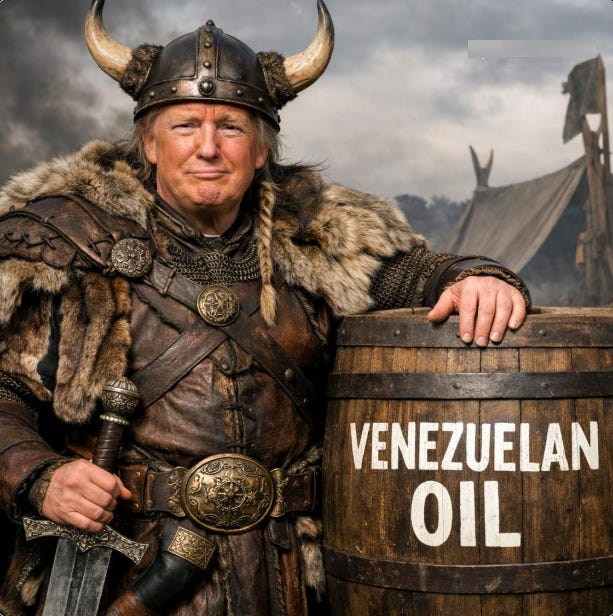
After suffering through the narcissistic and somewhat delusional speech of the Orange Strongman, it seems many weary delegates to the United Nations were unwilling to hear the Israeli version of the same speech.
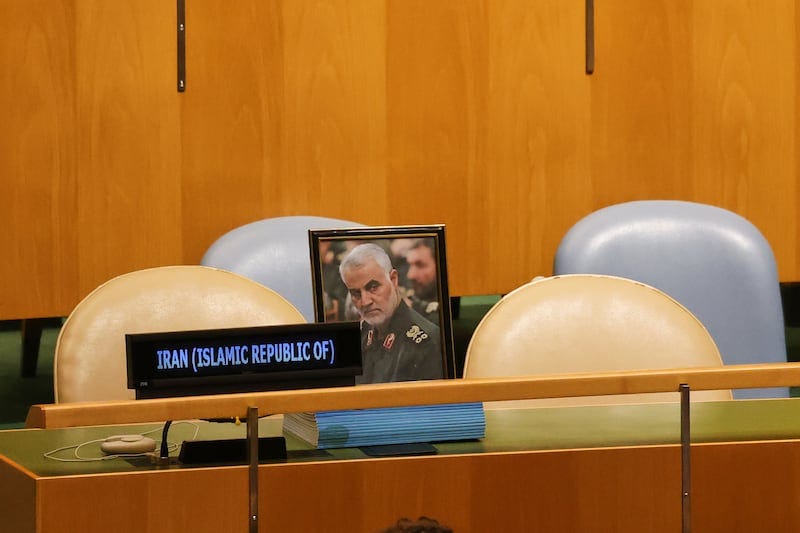
Benocide Netanyahu had barely reached the podium at the UN General Assembly when delegations from multiple countries began to make their exit. As the delegates streamed out of the hall, Netanyahu called them “moral cowards”, frustrated that representatives of so many countries had decided not to listen to yet another rambling speech about how Iran is only a few weeks away from producing a nuclear bomb— a claim he has made repeatedly over the course of three decades.
Below is a video clip of the boycott of Netanyahu at the UN:
Participating in the boycott were delegates from 77 countries. Below, I have posted my compiliation of the list of boycotting states:
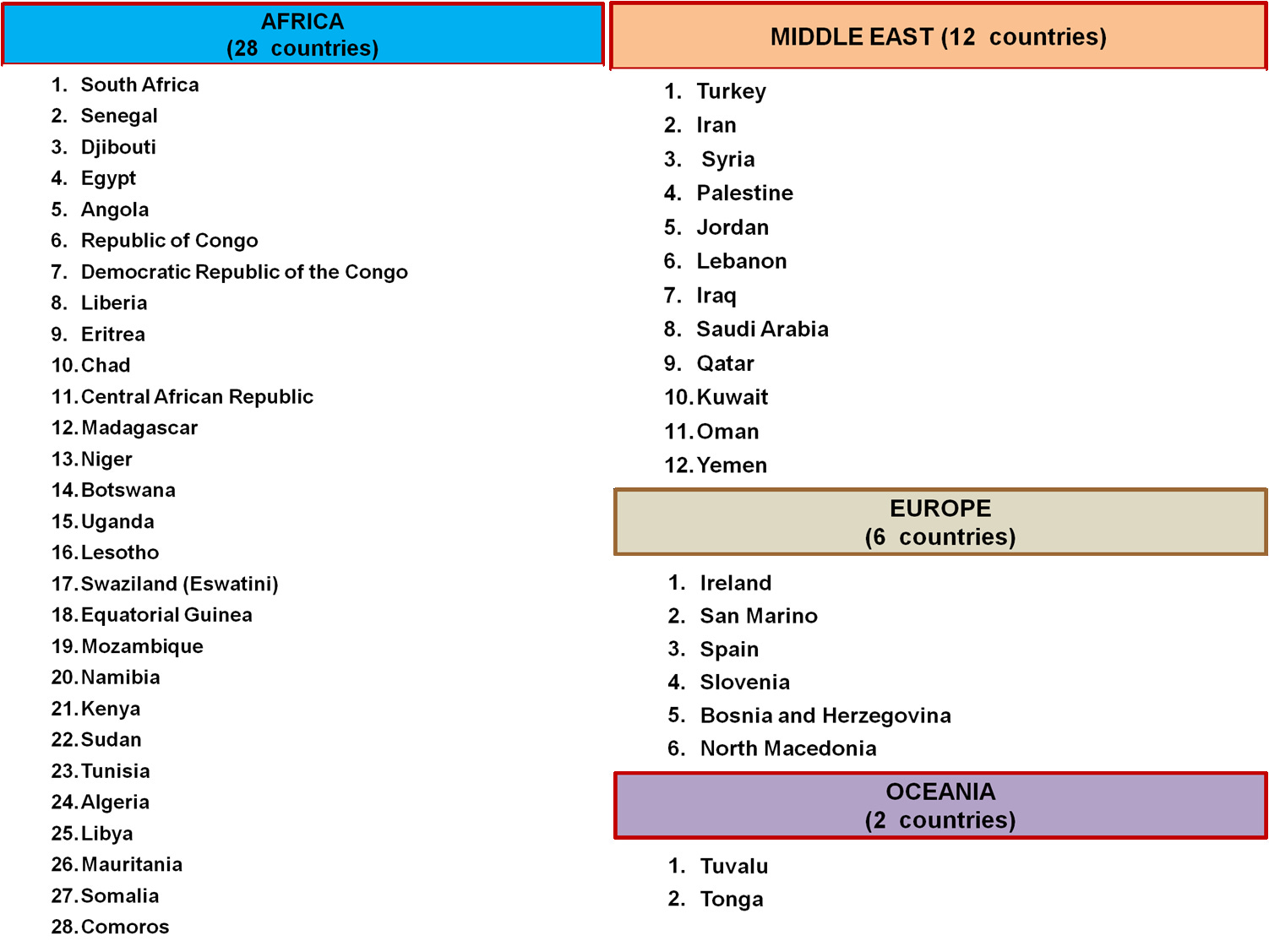
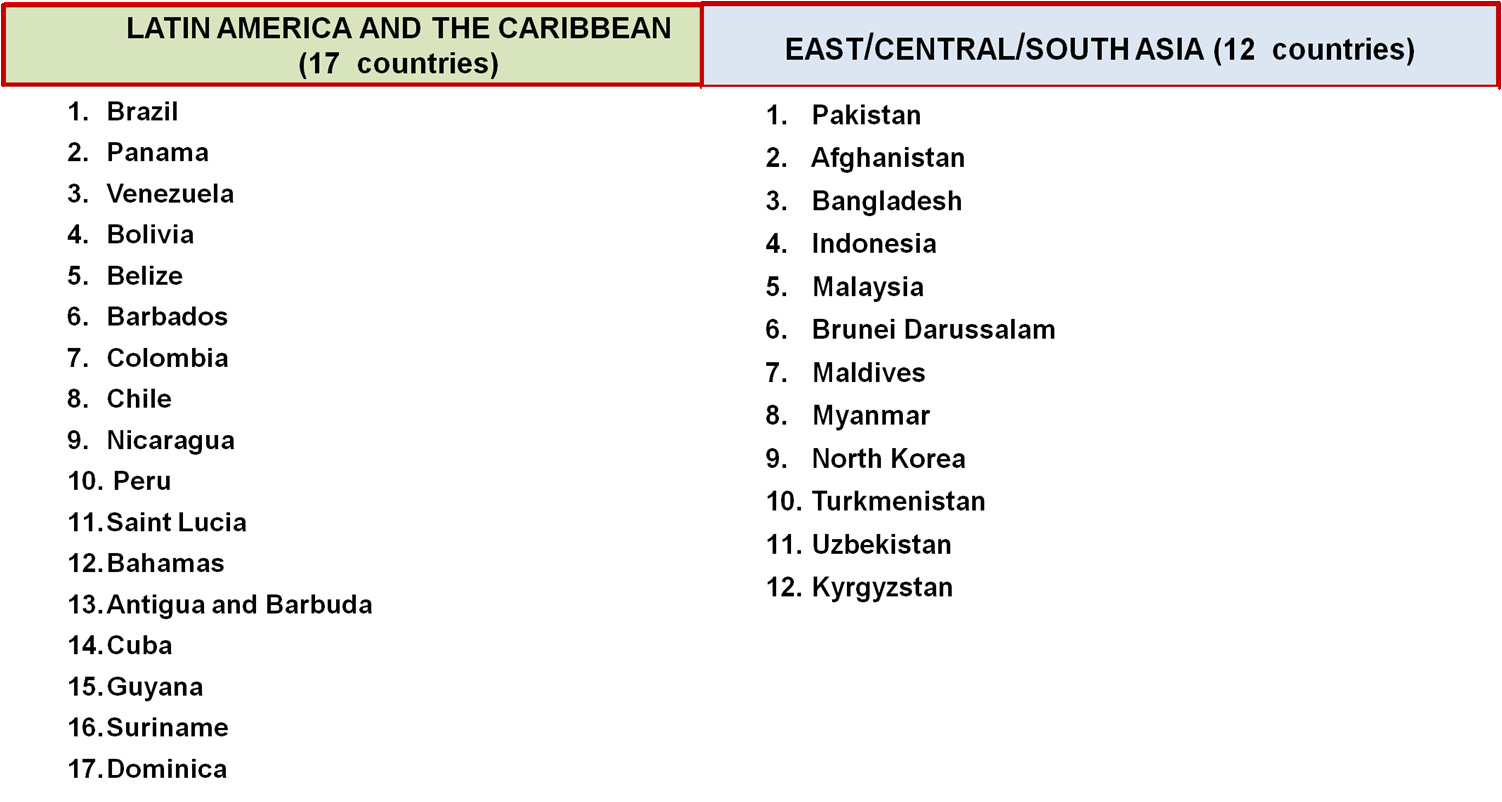
It is clear from all the above graphics that large swathes of Africa participated in the boycott. Even countries generally friendly to the Zionist state— such as Uganda and Kenya— shunned Netanyahu’s speech, which ironically praised the former for erecting a monument in memory of Lieutenant-Colonel Yonatan Netanyahu, who was killed during the July 1976 commando raid to rescue Israeli hostages held in Entebbe, Uganda.
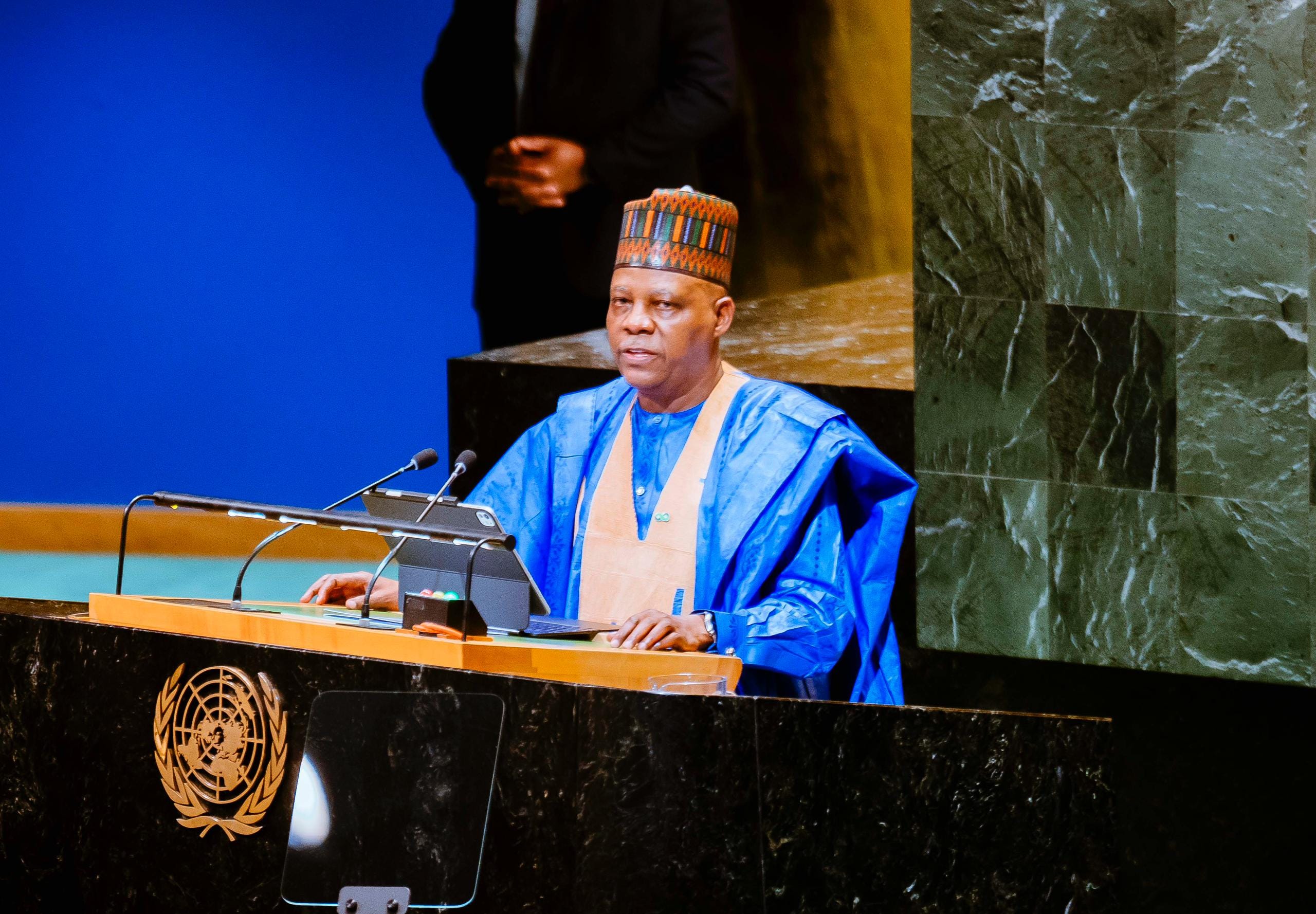
While 28 African nations attended the UN session where Netanyahu was billed to speak in order to make a spectacle of boycotting him, an additional three countries (Nigeria, Morocco, Ghana) did not even bother to attend. Their UN seats were already empty before the boycott began.
This massive boycott goes straight to the fears of Israeli foreign policy experts, who acknowledge that their calculated acts of generosity have still not bought them lasting alliances with African countries.
In the 1960s, Israel spent a fortune helping newly independent sub Saharan states— building agricultural stations, water supply systems, public buildings, roads, housing estates, factories, flying schools, shipping companies, and airports. Hundreds of African students gained scholarships to study at Israeli universities. The Israelis built and trained the security services and military forces of Tanganyika (now part of Tanzania), Uganda, Ivory Coast, Ghana, Sierra Leone, Dahomey (now Benin Republic) and Ethiopia.
Nonetheless, these acts of generosity did not slow down the mass expulsion of Israeli diplomats from most of Africa in 1973. By the end of 1976, shell-shocked Israeli officials were reeling from the realization that their once-vibrant continental footprint had shrunk to a mere four countries—apartheid South Africa and its three client states (Swaziland, Lesotho and Malawi).
Many African countries did not reinstate those severed diplomatic relations until the late 1980s, 1990s and early 2000s. Some of the closed Israeli embassies on the continent never reopened. The embassy in Uganda—shut down in 1972—has not reopened, despite the restoration of ties with the Museveni government in 1994.
An Israeli proposal to open a new embassy in Kampala in exchange for a Ugandan embassy in Jerusalem did not make headway because the Museveni government does not recognize Jerusalem as the capital of the Zionist state. Uganda recognizes the State of Palestine, which claims the Eastern part of Jerusalem as its capital city.

Notwithstanding the reinstatement of diplomatic ties between various African governments and the Zionist state, Israeli officials still feel insecure, sensing that the diplomatic standing of their country on the continent remains precarious.
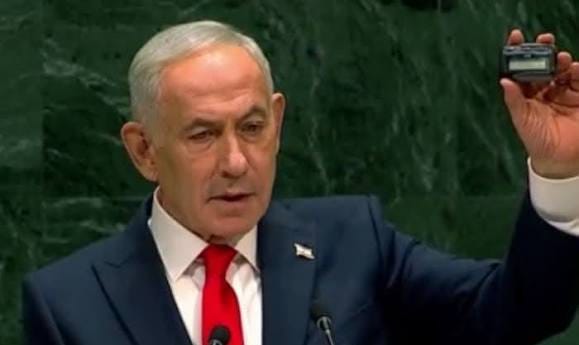
The Israeli foreign policy experts remain worried that even the friendliest of African nations continue to navigate the middle ground, preserving amicable ties with the Zionist state while publicly demanding respect for Palestinian self-determination. The fear of the diplomatic catastrophe of 1973 continues to loom large in their minds.
These worries are reflected in the analytical article published on the website of the Tel Aviv University-affiliated Institute for National Security Studies (INSS) :
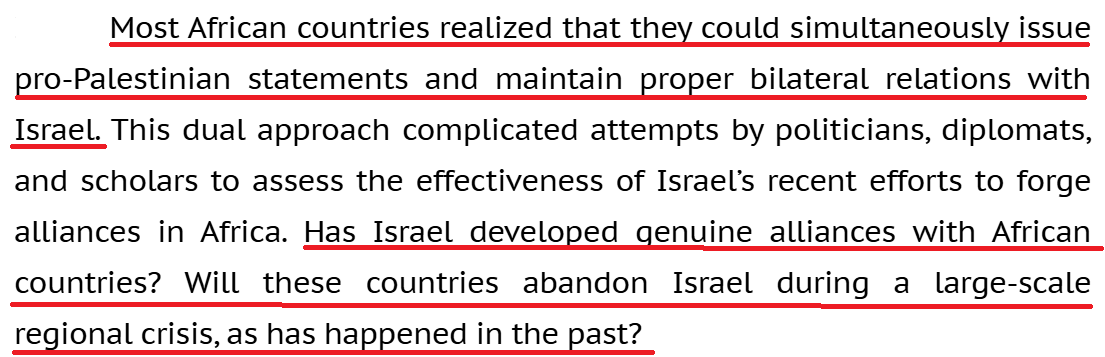

The fears expressed in the INSS article are reinforced by a pattern of public humiliations suffered by various Israeli officials on the continent. In February 2023, Israeli foreign ministry official Sharon Bar-Li was expelled from an African Union (AU) summit she was attending. Israel’s observer status within the AU was suddenly revoked in 2024. Israel had spent the previous 20 years lobbying the AU for the observer position before it was granted in 2021.
In April 2025, Israeli Ambassador to Ethiopia, Dr. Avraham Neguise, was expelled from a commemoration ceremony hosted by the AU for the victims of the 1994 Rwandan Genocide, although he had earlier been issued an invitation to attend.
The fact that so many countries boycotting Netanyahu’s bombastic UN speech are from the African continent will only serve to reinforce that sense of insecurity among Israeli diplomats and foreign policy experts.
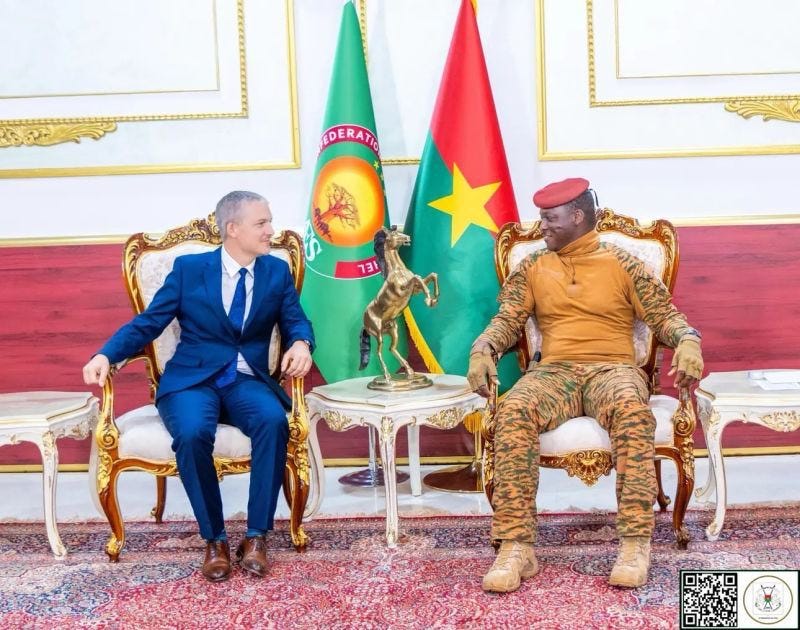
But then, the Zionist state can take solace in the fact that Burkina Faso was not among the boycotting countries. It seems like Ambassador Simon Seroussi’s trip to Ouagadougou has had its impact on military ruler Ibrahim Traore.
I shall return to this theme of Africa-Israeli relations in a future deep-dive article. Stay tuned.
If you enjoyed the read, I would greatly appreciate if you subscribed to a monthly/yearly pledge to support my work. Pledging ensures you will be among the first to access in-depth articles reserved for paid subscribers when they are published.
You can also donate here: buymeacoffee.com/chimandubichi

Wrote a piece arguing something most coverage misses: the side setting the terms of a war isn't automatically winning it. The US and Israel have met none of their stated objectives against Iran after months of escalation, no regime change, no uprising, no dismantled nuclear program, while Iran still holds real leverage over Hormuz, Bab al-Mandeb, and regional energy infrastructure. Meanwhile Israel's diplomatic standing has cratered, record UN walkouts two years running. Worth a read if you're thinking about how this actually ends: https://ozymandiasdesk.substack.com/p/iran-isnt-losing-this-war-and-everyone